

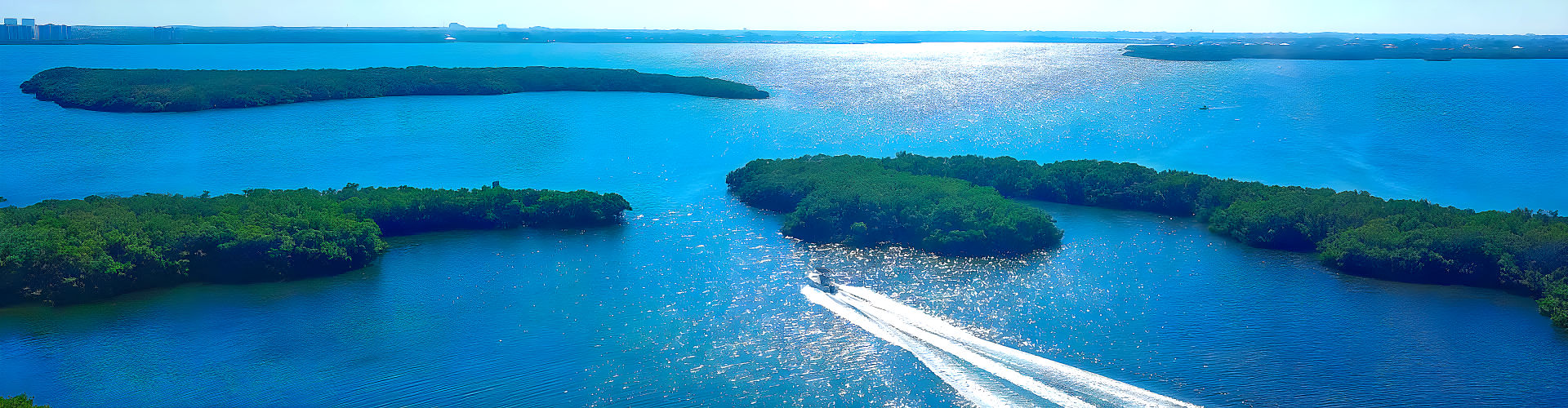
Finding the Sweet Spots: Flats & Reef Fishing in Tampa Bay
As told by a captain who’s burned more fuel than he cares to admit chasing “one more perfect drift…”
If you think I’m about to hand you a set of GPS coordinates, you must be out of your mind. Spots in Tampa Bay aren’t given—they’re earned, lost, and occasionally stolen by a guy watching you from 200 yards away with binoculars and bad intentions.
But I will tell you how to find them. And more importantly, how to know when you’re sitting on a gold mine versus just another pretty patch of water in a desert.
The Flats: Where the Skinny Water Pays Off
Flats fishing is a thinking man’s game. No hiding behind 60 feet of water here—just you, a trolling motor, and fish that’ll vanish if you sneeze too loud. They do get spooked with the trolling motor but it’s a good way to see where they hold.
What to Look For
- Seagrass beds – If it looks like a green carpet under the water, you’re in the right area. Bait lives here, and predators follow. If you find the bait you will find the fish.
- Potholes – Sandy depressions in the grass. Trout and redfish sit in them like ambush predators. They sit on the edges and wait for the bait to come by.
- Mangrove shorelines – Snook stay in the mangroves and near dock pilings like it’s a condominium. They just live under roots and wait to attack the baitfish.
- Moving water – Tides are everything. No movement = no bite.
Who You’ll Find
- Redfish rooting around like they belong there.
- Speckled sea trout swimming over grass
- Snook lurking in the shadows of the mangroves and pilings.
Here’s the trick most folks miss: don’t just fish where it looks good. Fish where it looks good and has life—mullet flipping, birds working, nervous water. If you don’t see life keep moving on. If there is no structural habitat or grasses keep moving.
The Reefs: Where the Heavy Hitters Hang
Now we’re talking structure. Reefs—natural or artificial—are the underwater fish condominiums of Tampa Bay. Everything lives there, eats there, and occasionally tries to rip your rod out of your hands.
What to Look For
- Artificial reefs & wrecks – Piles of rock, concrete, or sunken “mystery objects” holding fish
- Ledges & drop-offs – Even a 2-foot depth change can stack fish
- Hard bottom – If your depth finder lights up like Christmas, drop a line
Who You’ll Find
- Mangrove snapper—smart, sneaky, and frustrating
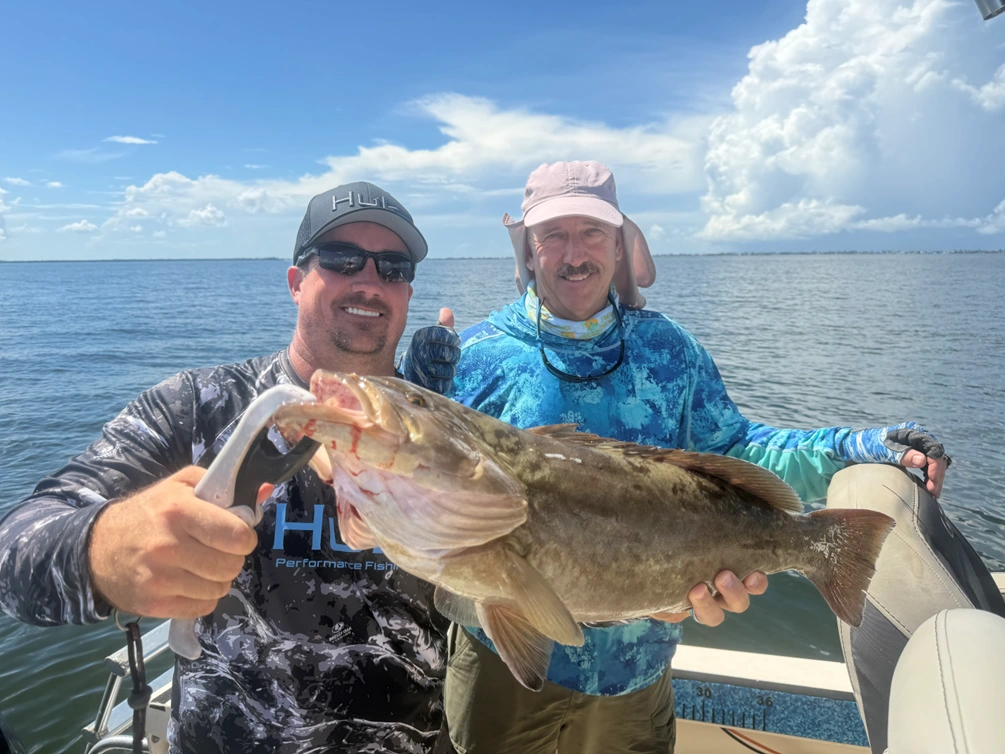
- Grouper—big, mean, and headed straight for the rocks
- Sheepshead—striped thieves with teeth like line cutters
Reef fishing is less about stealth and more about precision. If you’re not on the structure, you’re not on the fish. Ten feet off can mean the difference between a full cooler and a long ride home explaining things to your buddies. This includes offshore reef and wreck fishing.
The Real Secret: It truly isn’t the actual spot
Here’s where folks get it all wrong—there’s no magic spot that works all the time.
- Tides change
- Water temperature shifts
- Bait moves
- Pressure from other boats pushes fish around
- Cold fronts and weather effects the bite
The best captains don’t just know spots—they know a sequence of variables. They know that when the tide starts moving out and the water drops a degree or two, those redfish slide off the flat and stack near the edges. They know when snapper get finicky and when they’ll chew anything that hits bottom.
Captain John’s Advice
- Start shallow early, move deeper as the sun climbs
- Fish the tide, not the clock
- If you’re not getting bit in 20–30 minutes, move.
- Watch other boats… but remember fishing etiquette.
Skip the Guesswork…
You can spend years figuring this out—or you can step aboard and let someone who’s already made all the mistakes show you where to drop the line.
At Five O’clock Charlie Tours, we don’t just chase fish—we chase the right fish, in the right water, at the right time. Flats or reefs, doesn’t matter. We’ll put you where the action is and maybe even teach you a thing or two along the way. When it comes down to it, I get asked a lot by clients what are we going to catch today? I respond whatever is biting.
‹ Back
Recent Posts
-
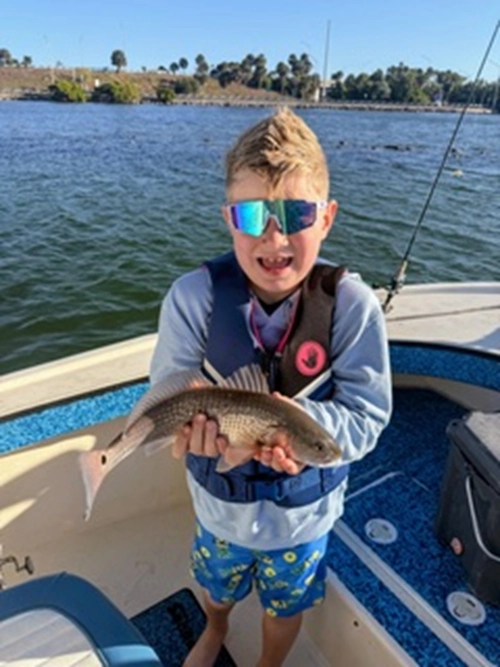
RED OCTOBER! Tampa Bay Redfish Are Keeping Our Rods Bent!
October 13, 2026
-
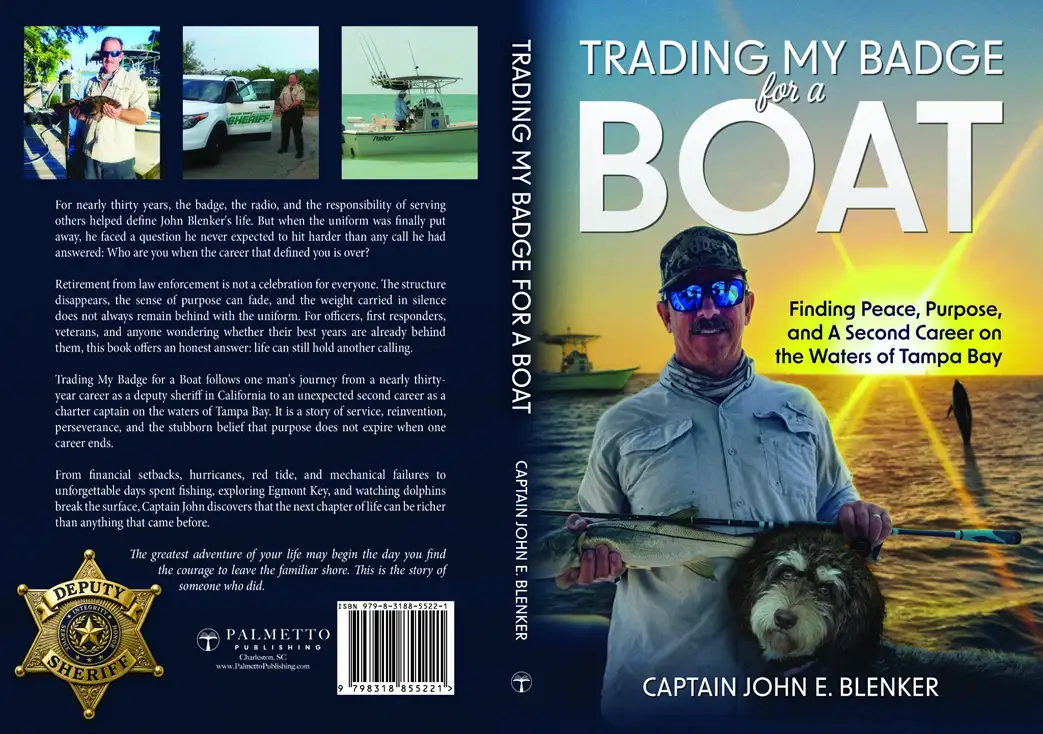
The Cover Is Final — Trading My Badge for a Boat Is Almost Here
October 8, 2026
-
Trading My Badge for a Boat Has Entered the Formatting Stage
September 22, 2026
-
Gag Grouper Season Is Halfway Over
September 17, 2026
-
Book Update: One Step Closer to the Finish Line
August 31, 2026